How Construction Cleaning Improves Safety on Job Sites
Construction cleaning helps improve safety on job sites by removing debris and hazards, with local service providers ready to ensure a cleaner, safer environment for workers.
If you're involved in managing or owning a construction project, understanding how construction cleaning improves safety on job sites is essential. A clean work environment reduces the risk of accidents caused by debris, dust, and leftover materials that can create hazards for workers. Property owners in the area often seek out professional construction cleaning services to ensure that the site remains safe and compliant throughout each phase of development. By maintaining a tidy workspace, potential dangers are minimized, helping to prevent injuries and ensuring that everyone on site can work more efficiently.
Many local contractors recognize that thorough construction cleaning is a practical step toward enhancing safety standards. These service providers specialize in removing hazardous materials and clutter that can pose risks during ongoing construction activities. Keeping the site clear not only supports a safer environment but also helps streamline operations and prepare the property for its next stage-whether that’s finishing touches or final inspections. As property owners explore ways to improve safety on their projects, connecting with experienced construction cleaning professionals can be a valuable part of the process.
- when a project nears completion, local contractors can handle debris removal to reduce hazards. - after heavy demolition, service providers clear leftover materials to prevent accidents and injuries. - once framing and finishing are done, pros tidy up dust and debris that could cause slips or respiratory issues. - during large-scale projects, specialists ensure that workspaces are free of hazards like loose materials and obstructions. - after remodeling, local service providers remove leftover materials that could create tripping or fire risks.
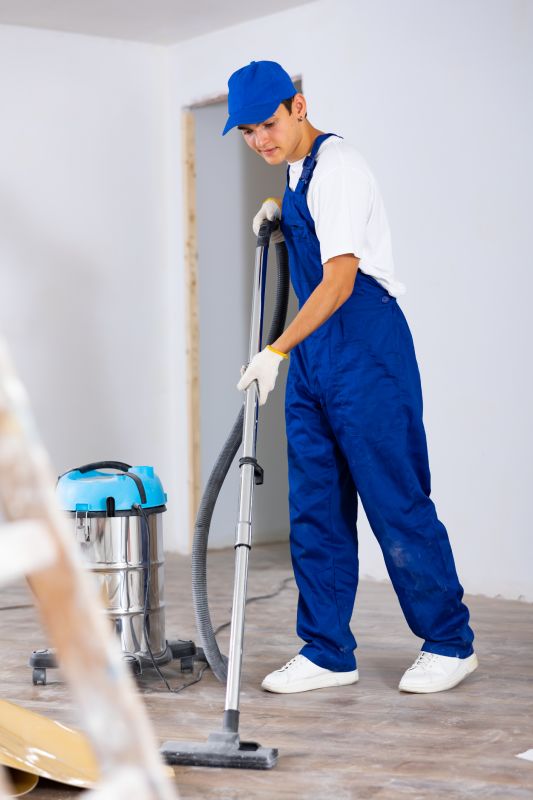
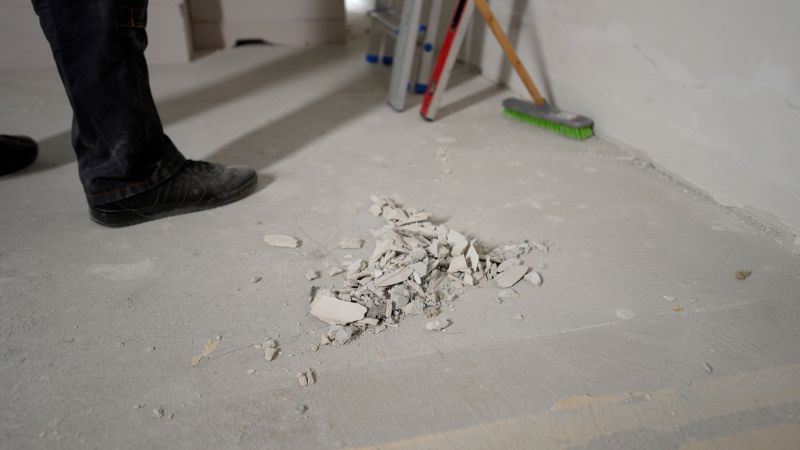
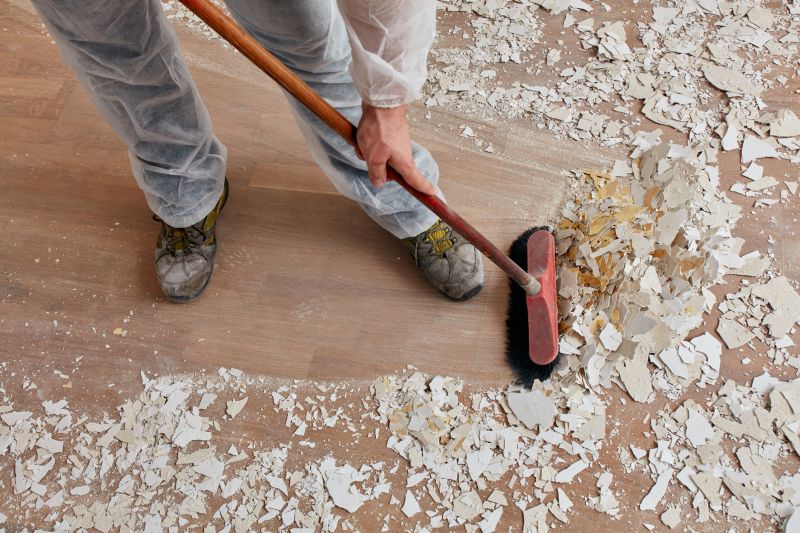
When people search for how construction cleaning improves safety on job sites, they are often interested in understanding how thorough cleaning practices can reduce hazards and prevent accidents during and after construction projects. This topic is commonly explored by homeowners, project managers, and property developers who want to ensure that a site remains safe for workers, visitors, and future occupants. Many are aware that construction sites tend to accumulate debris, dust, and leftover materials that can pose risks if not properly managed. The focus is on how professional cleaning services can help eliminate these dangers, creating a safer environment for everyone involved in the project.
Construction cleaning relates to a variety of problems and plans that center around site safety and project efficiency. For example, debris and leftover materials can cause slips, trips, and falls, which are among the most common construction site accidents. Dust and residues from building materials can impair visibility and breathing, leading to health issues or accidents. Proper cleaning also prepares the site for subsequent phases like inspection, occupancy, or move-in, ensuring that safety standards are met. Many project plans incorporate cleaning as a crucial step to minimize risks and maintain a safe work environment, especially in the final stages of construction or renovation.
The types of properties that typically come up in discussions about how construction cleaning improves safety on job sites include commercial buildings, residential complexes, retail spaces, and industrial facilities. Each property type presents unique cleaning challenges, from large-scale debris removal in commercial projects to detailed dust control in residential renovations. Regardless of the property, ensuring a clean site is essential for preventing accidents and health issues. Local contractors and service providers who specialize in construction cleaning are equipped to handle these different property types, providing tailored cleaning solutions that support safety and compliance throughout the project.
For homeowners and property managers, understanding how construction cleaning enhances safety on job sites highlights the importance of hiring experienced service providers. These local pros can efficiently remove hazardous debris, dust, and leftover materials that might otherwise cause injuries or impair future use of the property. By integrating professional cleaning into the construction process, it becomes easier to maintain a safe environment for workers during construction and for residents or tenants once the project is complete. Connecting with local construction cleaning service providers ensures that the site remains safe, clean, and ready for the next phase of the project or occupancy.
Post-Construction Renovation Cleanup - This project involves thorough cleaning after renovation work, requiring attention to detail that helps prevent hazards caused by leftover debris and dust, similar to construction cleaning processes.
Industrial Facility Cleaning - Industrial cleaning projects demand strict safety protocols and detailed cleaning methods, aligning with the skills used in construction cleaning to ensure a safe environment on job sites.
Commercial Building Maintenance - Regular maintenance of commercial spaces involves cleaning and safety inspections that mirror the planning and safety improvements emphasized in construction cleaning services.
Hazardous Material Removal - Handling and removing hazardous materials requires careful planning and safety measures akin to those in construction cleaning to reduce risks on job sites.
Demolition Site Cleanup - Clearing debris after demolition work involves similar tools and planning to construction cleaning, contributing to safer, hazard-free environments.
Specialized Floor and Surface Cleaning - Deep cleaning of floors and surfaces in various settings demands attention to safety and cleanliness, paralleling the techniques used in construction cleaning to improve job site safety.
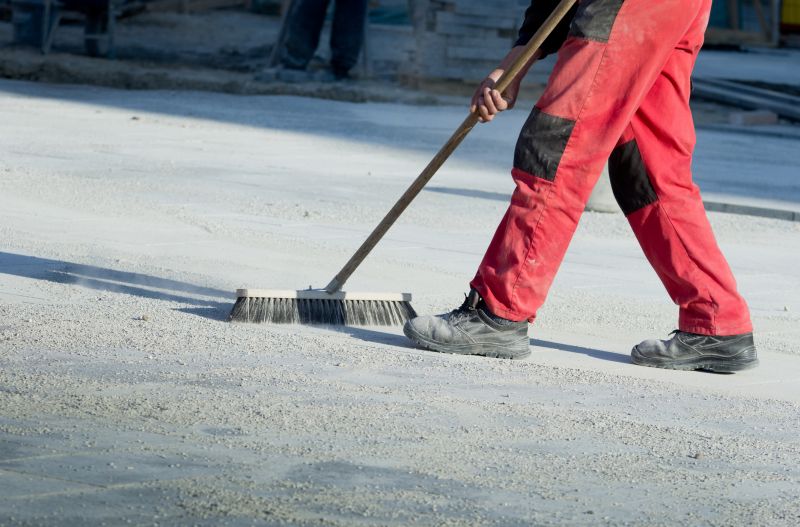
When evaluating construction cleaning service providers, it is important to consider their experience with similar projects. Contractors who have a history of handling jobs comparable in size, scope, and complexity can better understand the specific safety challenges that may arise during the cleaning process. An experienced service provider is more likely to be familiar with the types of debris, dust, and potential hazards typical of construction sites, which can contribute to a safer environment for workers and future occupants alike.
Clear written expectations are essential when comparing local contractors for construction cleaning. A detailed scope of work helps ensure everyone is aligned on responsibilities, safety protocols, and the standards for cleanliness. This clarity minimizes misunderstandings and ensures that safety measures are consistently followed. When service providers outline their approach and the safety procedures they implement, it becomes easier to assess their professionalism and commitment to maintaining a secure job site.
Reputable references and strong communication are key indicators of a reliable construction cleaning partner. References from previous clients who can speak to the provider’s ability to deliver thorough cleaning while prioritizing safety are valuable. Good communication throughout the process ensures that any safety concerns or site-specific requirements are promptly addressed. Choosing service providers with a track record of clear, responsive communication and positive references can help ensure the cleaning process contributes to a safer, more secure construction environment.
Property owners often search for how construction cleaning improves safety on job sites when they are planning practical projects around their homes and businesses. Local pros provide Construction Cleaning services for everyday jobs and straightforward project options.
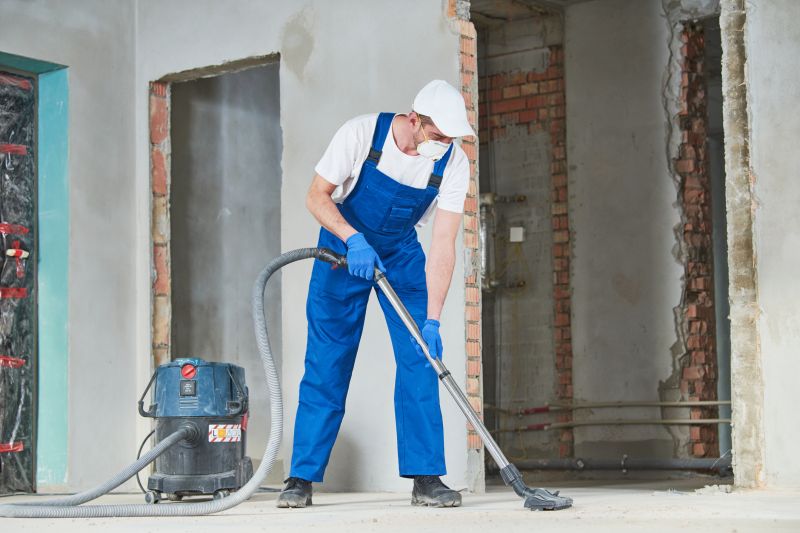
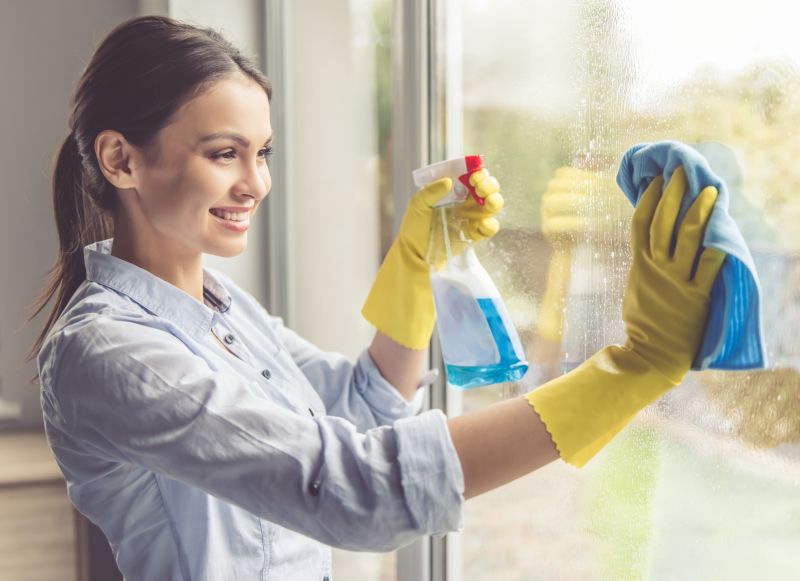
Construction cleaning plays a vital role in maintaining safety on job sites by removing debris, dust, and leftover materials that can pose hazards to workers. When construction projects are left cluttered or uncleaned, it increases the risk of slips, trips, and falls, which are common accidents in the industry. Property owners and contractors often seek out local service providers to ensure that the site is thoroughly cleaned, creating a safer environment where workers can focus on their tasks without the danger of hidden hazards or debris obstructing pathways.
In addition to reducing physical hazards, construction cleaning helps improve air quality on the site by eliminating dust and fine particles that can be inhaled during ongoing work. This not only helps protect workers’ respiratory health but also minimizes the chance of accidents caused by poor visibility or airborne particles. Local contractors offering construction cleaning services can help property owners maintain a safer job site by ensuring that all surfaces are cleared of potential hazards, supporting a safer work environment throughout the project.
How does construction cleaning contribute to safety on job sites? Construction cleaning removes debris, dust, and leftover materials that can cause slips, trips, and falls, reducing hazards for workers and visitors.
Can construction cleaning help prevent accidents caused by clutter? Yes, thorough cleaning ensures pathways are clear and organized, minimizing the risk of accidents related to clutter and obstructions.
Why is removing dust and debris important for safety during construction? Eliminating dust and debris improves air quality and reduces the chance of respiratory issues and slipping hazards for workers on site.
How do local contractors ensure construction sites are safer after cleaning? They systematically remove hazardous materials, clean surfaces, and ensure the site is free of debris that could cause injuries or accidents.
What role does construction cleaning play in maintaining a safe environment for subsequent work phases? It creates a clean, hazard-free environment that allows workers to perform tasks safely and efficiently during all stages of construction.
Clear debris removal - removing leftover materials and construction waste helps prevent tripping hazards and keeps pathways safe for workers.
Dust and allergen control - thorough cleaning reduces airborne dust, creating a healthier environment and minimizing respiratory risks on the site.
Surface sanitization - disinfecting surfaces after construction reduces the risk of contamination and keeps the site safer for everyone involved.
Hazardous material cleanup - professional cleaning ensures that potentially dangerous substances are safely removed, lowering the chance of accidents or health issues.
If you are thinking about how construction cleaning improves safety on job sites for a property, this guide is meant to help you understand this topic, the typical project types, and how different options might fit your plans.
When you are ready, you can use the quote form on this page to share a few details about your project. From there, local pros can review the basics and follow up with options that match what you have in mind.